Understanding the Psychology of Gambling Beliefs
The world of gambling is often surrounded by a rich tapestry of beliefs, superstitions, and perceived strategies. Many of these are deeply ingrained in popular culture, passed down through generations, and reinforced by personal anecdotes. These «stable blueprints» represent fundamental assumptions individuals make about how games of chance work, often leading to specific behaviours and expectations. Understanding the psychological underpinnings of these beliefs is crucial to grasping why people gamble and how they approach different games, and for some, this might involve exploring options like the casino tropicanza.
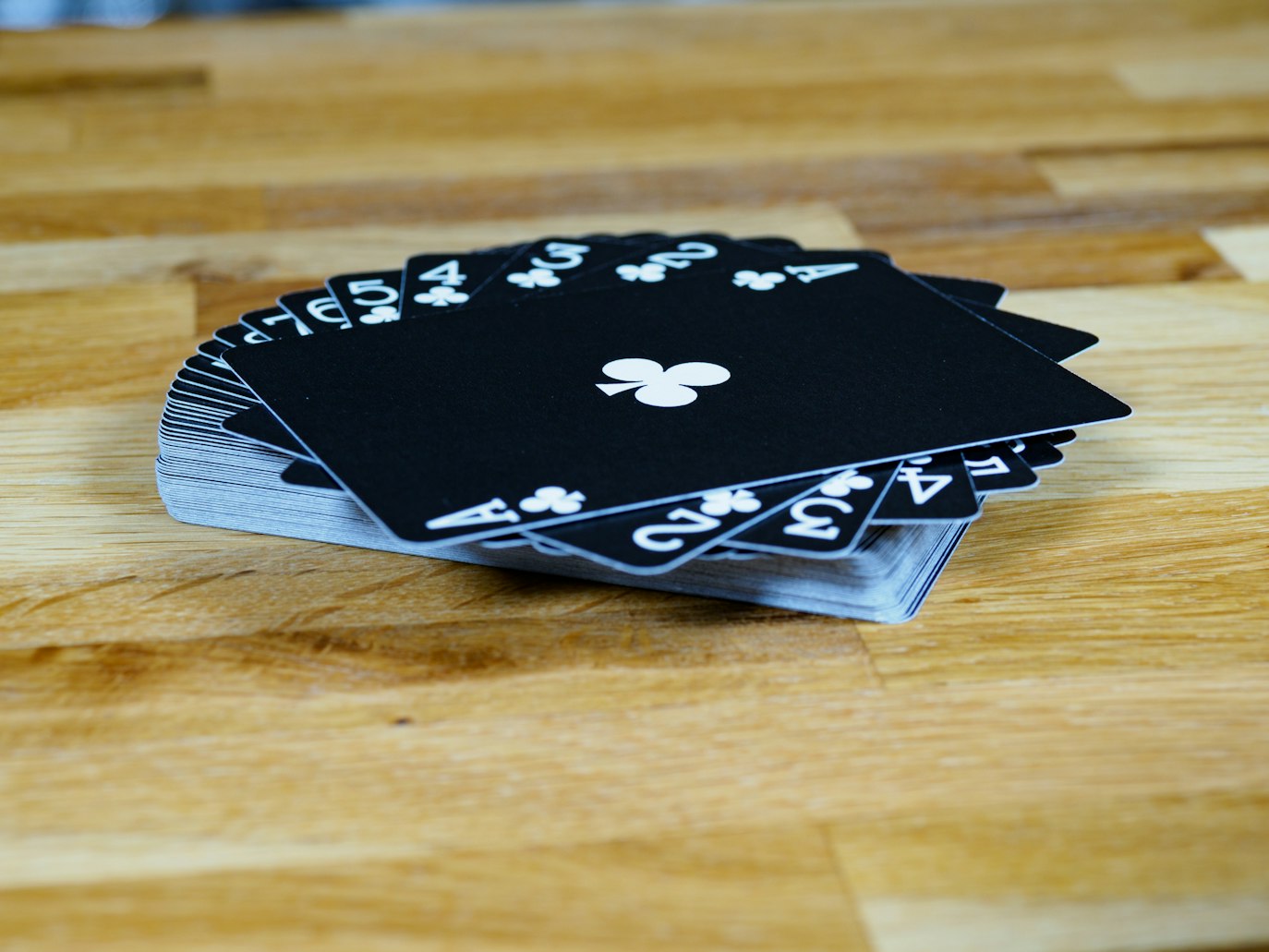
At the core of many gambling beliefs lies a misunderstanding of probability and randomness. Humans are pattern-seeking creatures, and the inherent unpredictability of casino games can be a source of frustration. This often leads to the development of theories, such as the «gambler’s fallacy,» which wrongly assumes that past independent events influence future outcomes. For example, believing a roulette ball is «due» to land on a certain number after a streak of other outcomes is a classic example of this flawed reasoning. These deeply held notions shape how players interact with games and can significantly influence their betting decisions.
The Role of Superstition in Gambling Strategies
Superstition plays a significant role in the gambling landscape, offering players a sense of control in environments that are inherently unpredictable. Lucky charms, pre-game rituals, and specific seating arrangements are all common manifestations of these beliefs. While these superstitions may not have any actual impact on game outcomes, they can provide a psychological comfort, reducing anxiety and enhancing the feeling of being in charge. This perceived control can make the gambling experience more enjoyable, even if it’s based on unfounded logic.
These superstitions often become intertwined with the very fabric of gambling culture. From wearing a lucky shirt to avoiding certain numbers, these practices are not just personal quirks but often shared traditions within gambling communities. For operators like Tropicanza UK, understanding these ingrained beliefs can offer insights into player behaviour and preferences, helping to tailor the gaming environment to be more engaging and appealing to a broad spectrum of players. The comfort derived from these rituals can encourage longer play sessions and a greater sense of immersion.
Debunking Common Gambling Myths and Fallacies
Despite the prevalence of superstitions, it’s essential to address and debunk common gambling myths that can lead to significant financial losses. The belief that a skilled player can influence the outcome of purely chance-based games, or that a losing streak can be «broken» by a specific strategy, are prime examples of such fallacies. These misconceptions often stem from a desire for predictable outcomes in an unpredictable world and are actively exploited by those who don’t fully grasp the mathematics of probability.
Educating oneself on the actual odds and probabilities involved in different casino games is the most effective way to counter these myths. Games of chance, by definition, have outcomes determined by random processes. While strategic play can be beneficial in games like poker or blackjack, where player decisions directly impact results, in slots or roulette, the outcome is predetermined by the random number generator or the spin of the wheel. Recognizing this distinction is fundamental to responsible gambling and avoiding the pitfalls of erroneous beliefs.
Cognitive Biases and Their Influence on Gambling Decisions
Cognitive biases significantly influence how individuals perceive and engage with gambling. Confirmation bias, for instance, leads players to focus on wins and disregard losses, reinforcing their belief in a winning strategy. The «near miss» effect, where a player almost wins, can also be a powerful motivator to continue playing, creating a false sense of proximity to a win. These biases can create a distorted reality, making players overconfident or more willing to take risks than they otherwise would.
Understanding these cognitive shortcuts is vital for both players and responsible gaming advocates. Awareness of biases like the illusion of control or the hot-hand fallacy can help individuals make more rational decisions and avoid chasing losses. For platforms that host gambling activities, such as Tropicanza UK, acknowledging the potential impact of these biases is a step towards promoting safer gambling practices and ensuring players are equipped with the knowledge to make informed choices about their engagement with games.

Tropicanza UK: Navigating the Gambling Landscape Responsibly
Tropicanza UK operates within the dynamic online gambling sphere, a space often characterized by a blend of calculated strategy and deeply held beliefs. As a platform, Tropicanza UK aims to provide a secure and engaging environment where players can explore various casino games. The site acknowledges the allure of gambling, but also the importance of responsible play, offering resources and tools to help users manage their gaming habits effectively. This includes providing clear information about game mechanics and probabilities, thereby helping to counter some of the more pervasive myths that surround gambling.
By offering a diverse range of games and focusing on user experience, Tropicanza UK strives to create an environment that is both entertaining and transparent. This approach implicitly encourages players to understand the nature of the games they are playing, rather than relying solely on superstitions or flawed strategies. The commitment to responsible gambling, evident in their operational framework, allows players to engage with the excitement of the casino in a manner that prioritizes their well-being, fostering a more informed and sustainable approach to the enjoyment of gambling.